

1
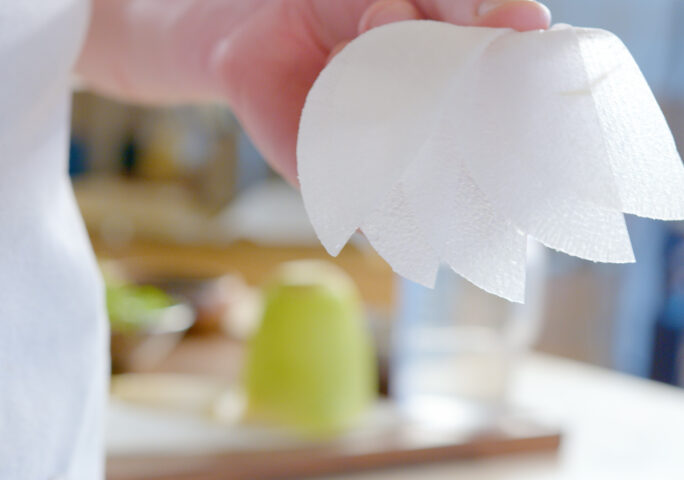
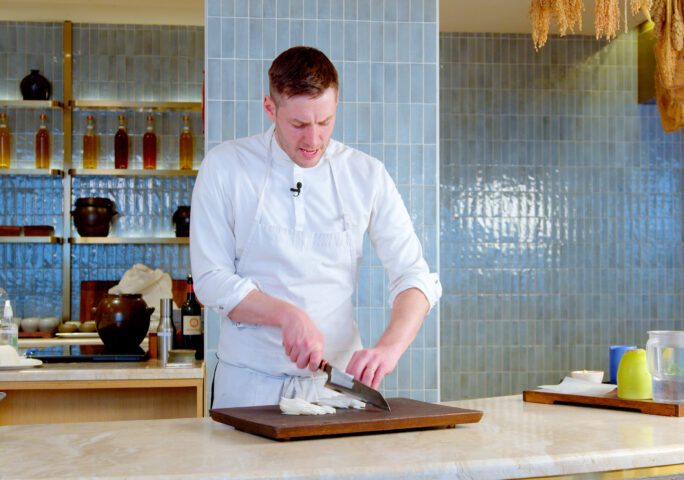
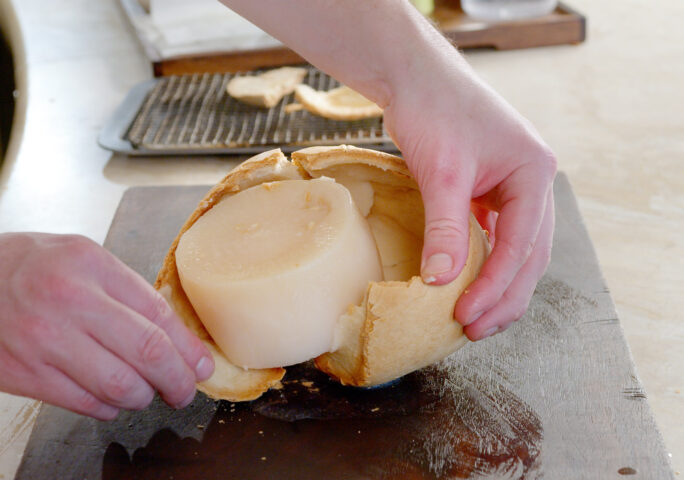
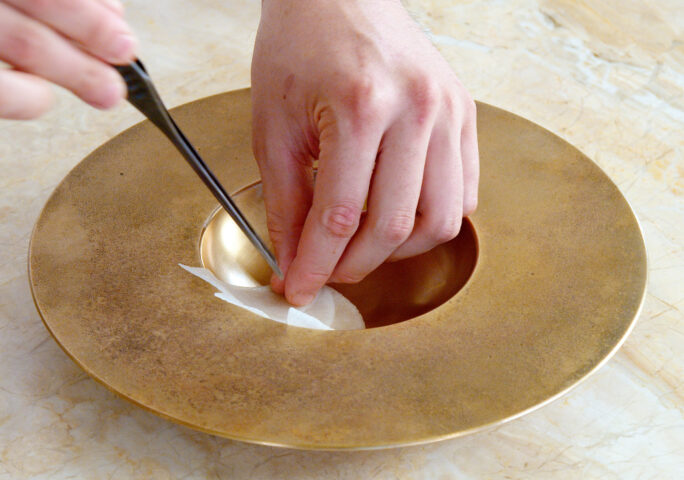
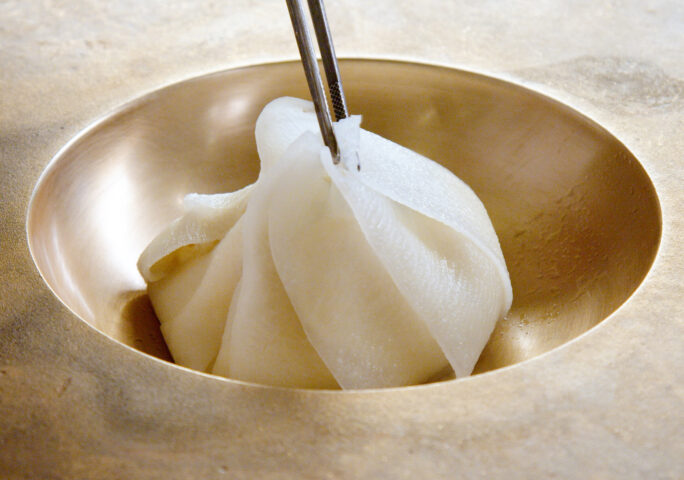
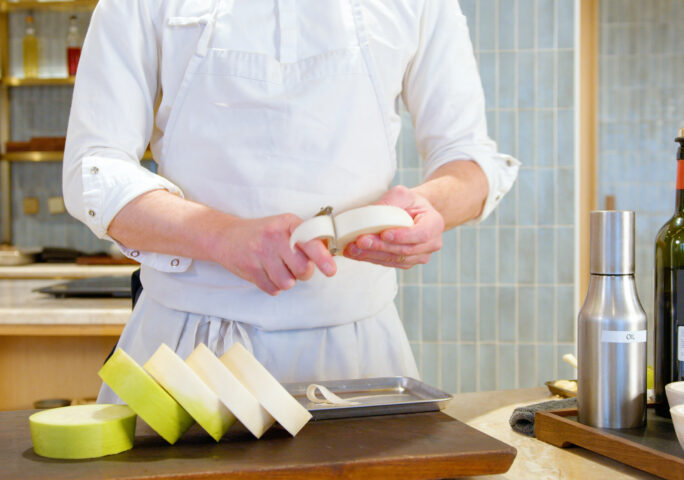
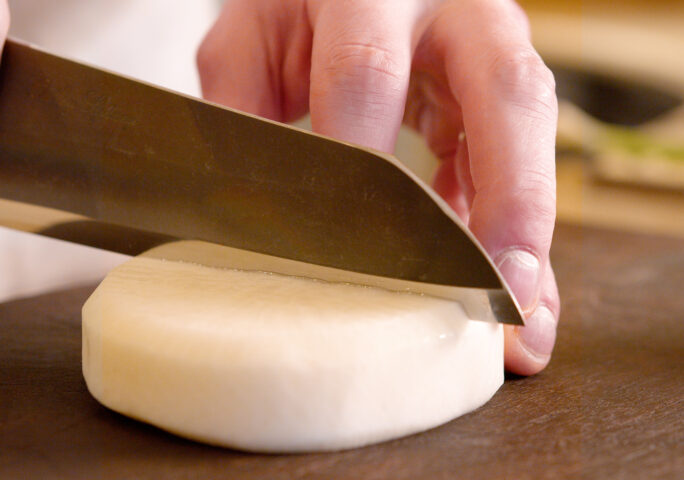
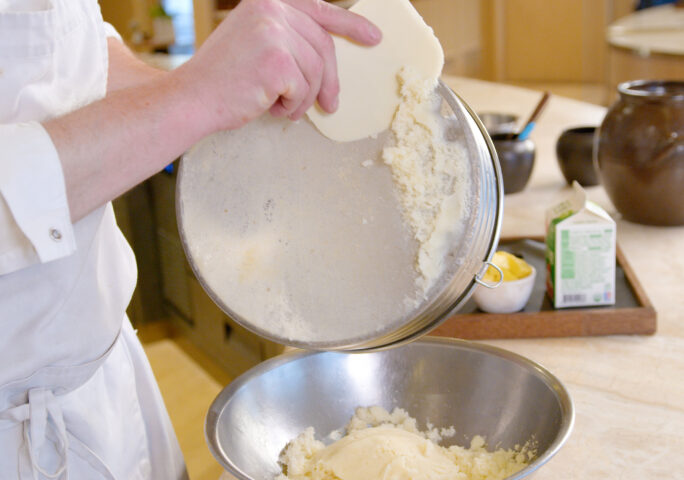
Thinly slice the radish and cut into lotus petal shapes. Then, Cure the sliced radish separately in sugar and salt water.

What if one humble ingredient could awaken all five senses—twice?
Before you even take your first bite, there’s a story guiding these dishes—one shaped by the philosophy of Joseph Lidgerwood. A chef trained across cultures, he approaches Korean ingredients with fresh eyes—less interested in what people expect, and more in what they’ve yet to discover. His belief is simple: Korean cuisine isn’t only bold and loud—it can be delicate, nuanced, and quietly expressive. His goal is to make the unfamiliar familiar, revealing the hidden spectrum within a single ingredient.
That idea begins here.
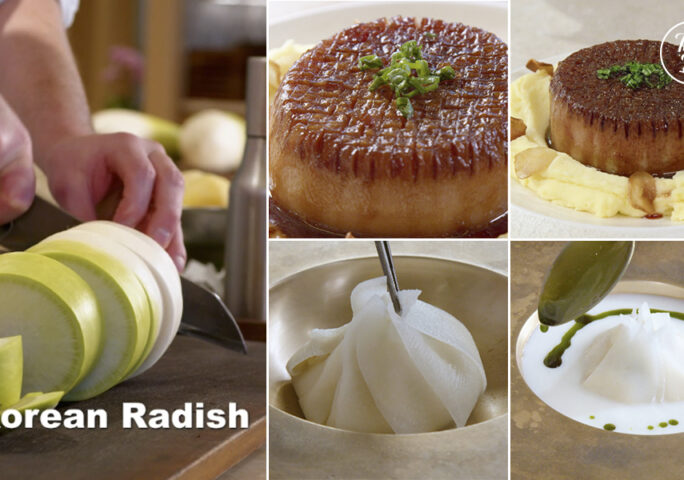
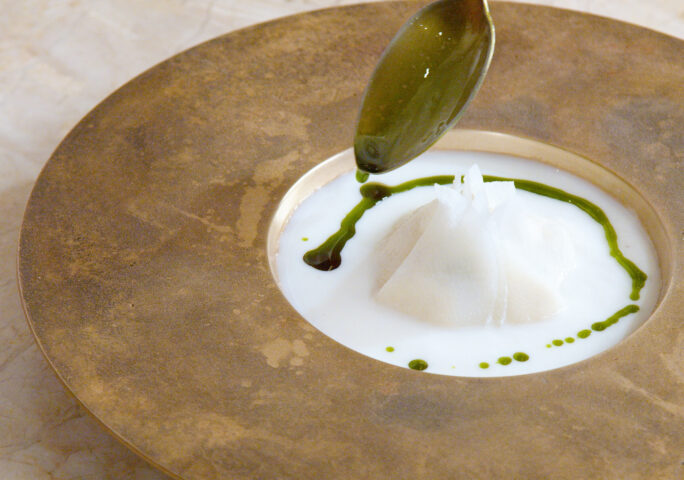
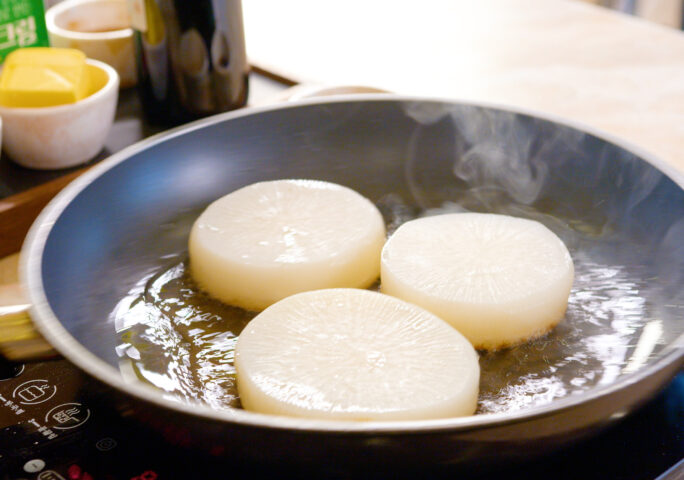
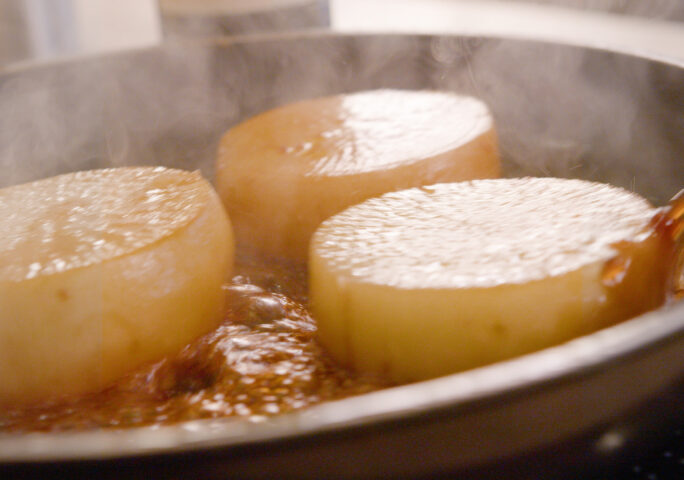
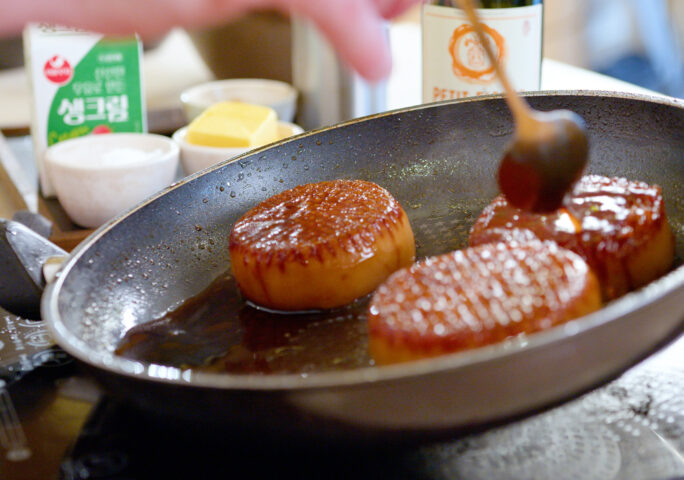
Imagine a quiet table where two dishes arrive together. One blooms like a forest flower, delicate and aromatic. The other sits bold and golden, seared like a steak. Same radish—two completely different worlds.
Lean in, and the air shifts. On one side, a whisper of charcoal and pine drifts upward, cool and earthy, like walking through a misty woodland. On the other, a warm, savory aroma wraps around you—garlic sizzling in olive oil, a hint of caramelization that feels instantly comforting.
Your fingers and fork discover contrast before your taste buds do. The blossom is soft yet gently crisp, petals yielding with a quiet snap before melting into silk. The steak is tender and juicy, with a golden crust that gives just enough resistance to feel satisfying.
Then comes the first bite.
The blossom is light, almost ethereal—sweet, clean, and velvety, with a cool herbal finish that lingers like fresh air in your lungs. The steak is deep and rich—umami-coated, slightly sweet, infused with garlic and warmth, grounding you with every chew.
Even the sounds tell two stories: the soft crackle of charcoal-roasted radish releasing its aroma, and the memory of a pan-seared sizzle that still echoes in the glaze.
And beneath it all, the quiet power of radish—hydrating, cleansing, rich in fiber and nutrients—working in harmony with your body while delighting your senses.
Two dishes. One ingredient.
One surprises you. The other comforts you.
And together, they do exactly what great cooking should—
they change the way you see something ordinary.